
Vincennes, 15 October 1917, at dawn. Mata Hari refuses the blindfold she is offered, twelve Zouaves fire, and the most famous spy of the Great War passes into legend. Almost everything has been told about her: the nude dancer of the Guimet museum, the officer lovers, the trial. Far less is said about the fact that, before she danced, she tried to earn her living on horseback. In early 1905 she was hired as a rider at the Cirque Molier, a private ring where Society Paris came to watch aristocrats perform high school riding. And it was the owner of that circus, a horseman, who made her climb down from the saddle and dance instead. Here is why, and what we really know about this equestrian interlude.
Mata Hari on horseback before the dance: Lady MacLeod arrives in Paris
She is still called Margaretha Geertruida Zelle. Born on 7 August 1876 in Leeuwarden, in Dutch Friesland, she is the daughter of a prosperous hatter, Adam Zelle, who spoils her. Her biographers like to recall one childhood present: a little carriage drawn by goats, in which she paraded through town. Before the horse, then, came the cart.
In 1895, aged 18, she married Rudolf MacLeod, an officer in the Dutch colonial army nearly twenty years her senior, and followed him to the Dutch East Indies, to Java and then Sumatra. The marriage went badly. When she arrived in Paris in 1903, she was separated, penniless, and calling herself Lady MacLeod.
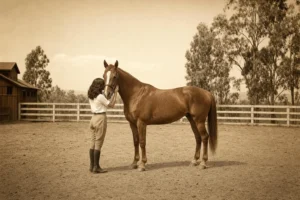
She first tried to pose for painters, without success. Then she turned to what she knew how to do: ride. The American biographer Don Hollway describes her as an accomplished horsewoman who first applied for work as a riding instructor. Where did she learn? The sources are not clear. The most common theory has her training in the colonies, where officers’ wives rode as a matter of course, but nothing allows us to say so for certain.
Video · 101 seconds
Mata Hari the circus rider: why the Cirque Molier made her dance
Before dancing at the Guimet museum and being shot at Vincennes on 15 October 1917, Mata Hari was hired as a rider at the Cirque Molier. Her boss made her get down from her horse.

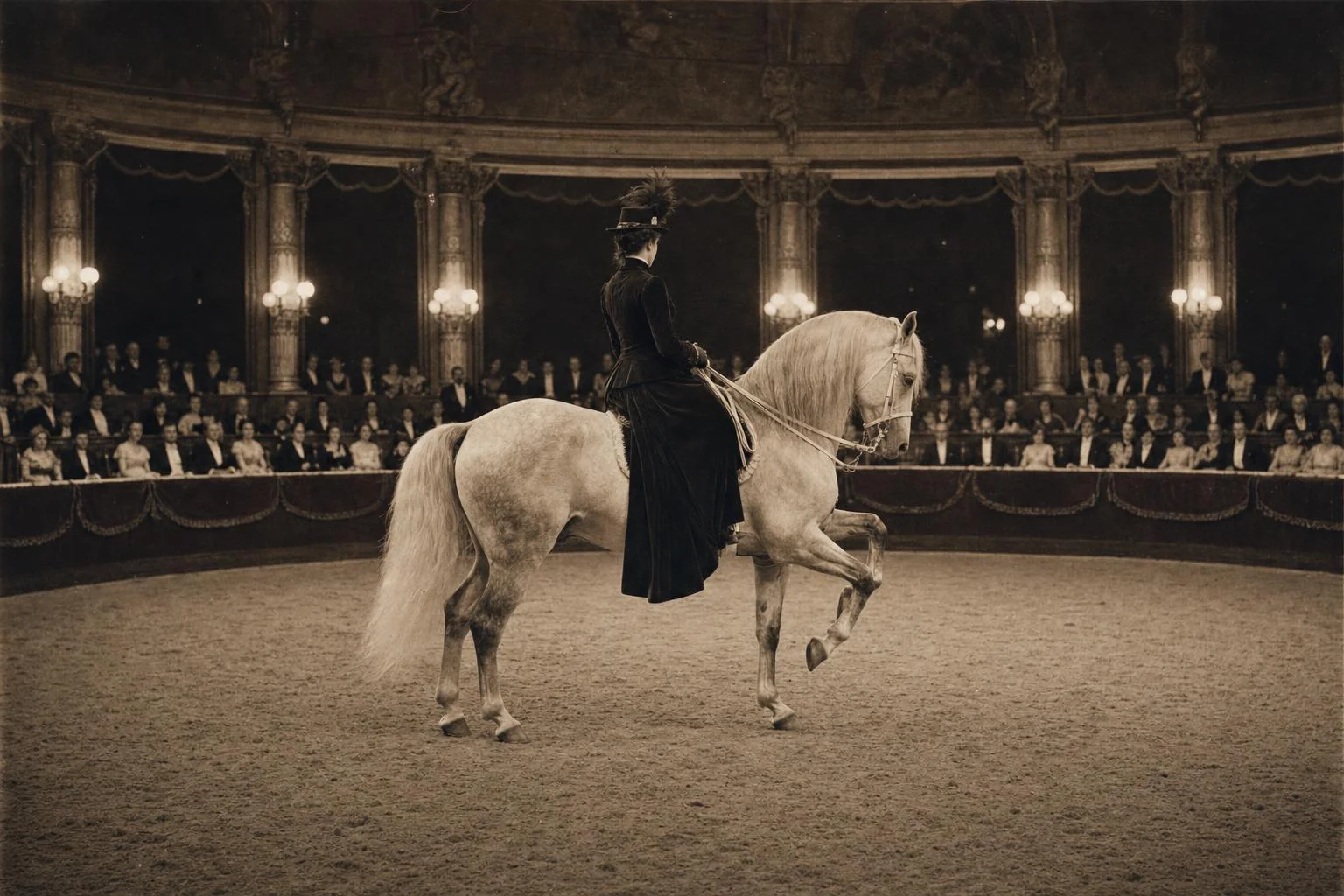
The Cirque Molier: a 44-foot ring for riders of high society
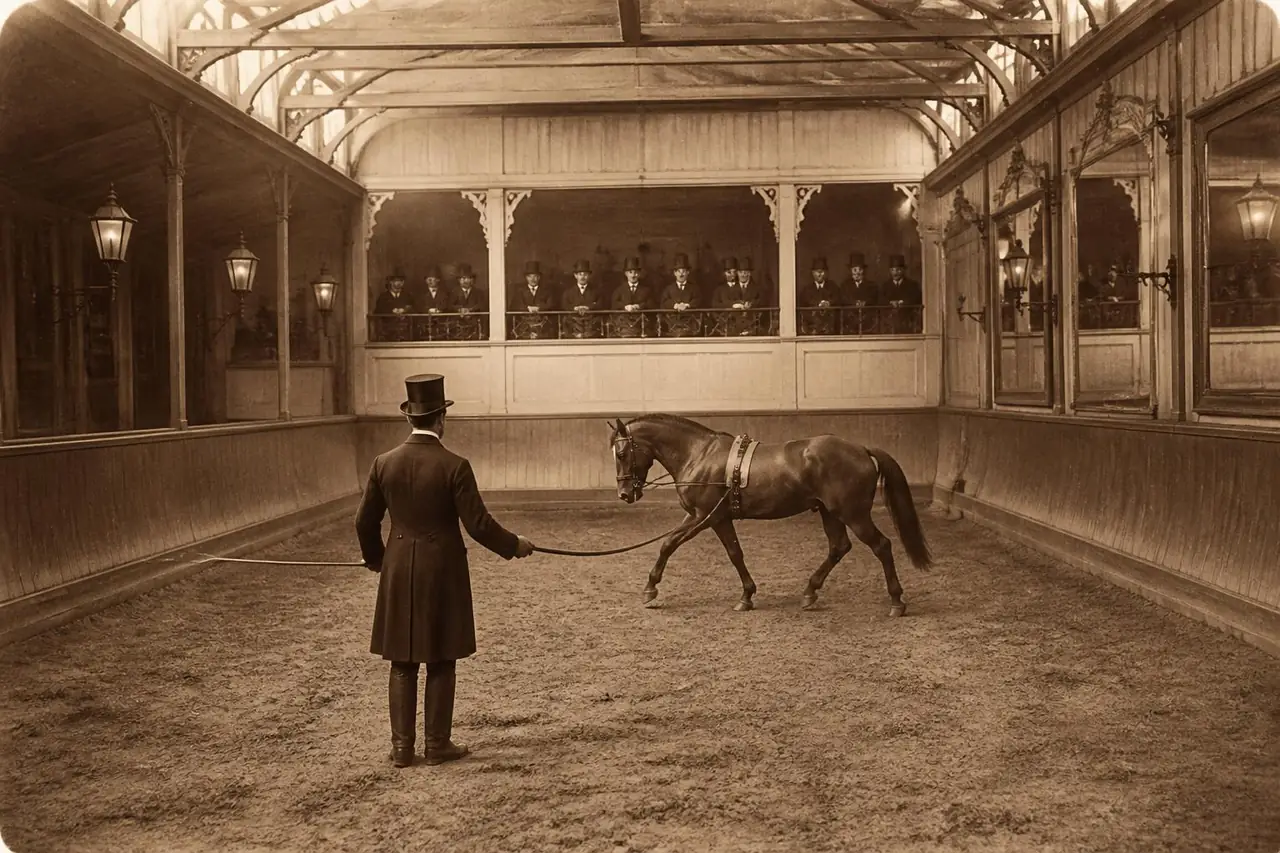
The circus where she landed was no fairground big top. Ernest Molier (1844-1933) gave up his legal studies for riding, which he learned from two great names, the master rider James Fillis and Victor Franconi. In a hangar at his private townhouse on the rue Bénouville, in Paris’s 16th arrondissement, he built a ring 44 feet (13.5 metres) across and held evening performances for his circle of acquaintances.
The idea made his name: in the ring, it was amateurs from high society, nobles, officers, young men of good family, who rode high school, performed vaulting and played the clown. In the stands sat the judiciary, the world of finance and the aristocracy. Well-bred young women came for lessons. The real star of the house was a professional, Blanche Allarty, who arrived as a child and became rider, acrobat and trainer in one, and whom Molier would eventually marry. The circus lasted nearly fifty years, until the death of its founder.
It was the direct heir of the French classical equestrian tradition, with its airs above the ground and its collection, which survives today in competition dressage and in the great equestrian shows.
Why the Cirque Molier made its rider Mata Hari dance
In early 1905, then, Lady MacLeod was hired as a rider at Molier’s. The episode was brief. According to Hollway, it was the owner himself who, instead of keeping her in the ring, presented her as a dancer in the salon of a great Parisian lady. The website of the Bibliothèque mondiale du cheval, which has traced the history of the circus, says that she improvised a “Javanese dance” there, under the name Lady MacLeod, shedding her clothes as she went.
No one has preserved Molier’s own words. But the context gives a fairly clear answer, and it is an interpretation we present as such. In the ring on the rue Bénouville, there were capable riders every evening, and they performed for nothing: that was the whole concept. A novice rider of 28 was nothing rare there. A woman who had lived in Java, who brought back gestures, fabrics and a story to tell, was something no one else had. A man of the theatre saw where the real attraction lay.
What followed proved him right. On 13 March 1905 she danced at the Guimet museum, against a temple backdrop, under a brand-new name: Mata Hari, Malay for “eye of the day”, in other words the sun. The success was immediate. The rider vanished, and the dancer toured the capitals of Europe.
From horse to espionage: the fall of Mata Hari in 1917
Ten years later, her fame had faded and war had broken out. Dutch, and therefore neutral, she moved between countries, mixed with officers of every nationality and accepted money from several intelligence services. On 13 February 1917, Captain Pierre Bouchardon had her arrested at the Hôtel Élysée Palace in Paris. Tried by a court martial in July, she was sentenced to death for spying on behalf of Germany.
Her actual guilt is still debated by historians. The case against her was thin, and many see her conviction as an exemplary punishment, in a 1917 when the French army was going through mutinies and looking for culprits.
Vincennes, 15 October 1917: the former circus rider faces twelve Zouaves
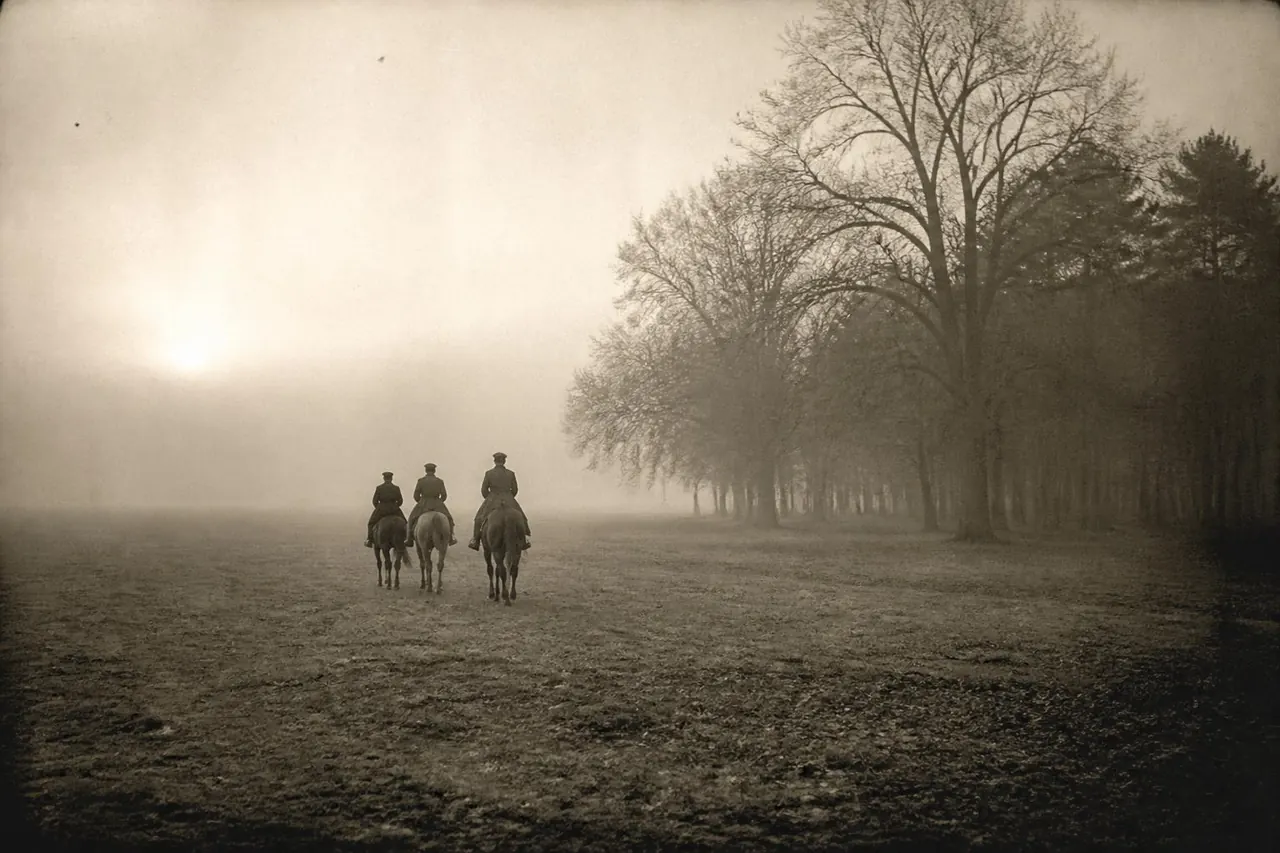
On 15 October 1917, before daybreak, a motor car took her from the Saint-Lazare prison to the Vincennes firing range, a military ground in the Bois de Vincennes, the same woods that house the racecourse where the Prix d’Amérique is run today. Several English-language authors speak of a cavalry ground; French sources say simply the shooting range.
She refused the blindfold and refused to be tied to the post. Twelve Zouaves fired. She is credited with a last remark about the odd French custom of executing people at dawn, but it is not reliably attested. No one claimed her body: it was handed to the Paris faculty of medicine for dissection.
What remains of the rider is whatever the sources are willing to give, which is little: a few lines in her biographers, a passage in the history of the Cirque Molier. Yet it was on horseback that she first tried to make a living, and it was a horseman who made Mata Hari. Another woman of the Belle Époque did far better with her equestrian life: Sisi, the empress who jumped the fences of Ireland, who also trained with circus riders. And in Paris, half a century earlier, Rosa Bonheur dressed as a man to paint the horses of the market.
Established: Margaretha Zelle’s birth in Leeuwarden on 7 August 1876, her marriage to Rudolf MacLeod in 1895, her arrival in Paris in 1903 as Lady MacLeod, her hiring as a rider at the Cirque Molier in early 1905, her dancing debut at the Guimet museum on 13 March 1905, her arrest on 13 February 1917, her execution at Vincennes on 15 October 1917 by twelve Zouaves, the refused blindfold. On the circus: Ernest Molier (1844-1933), the 44-foot (13.5-metre) ring on the rue Bénouville, the high-society amateurs in the ring, Blanche Allarty.
According to her biographers: the goat cart given by her father, her application as a riding instructor, Molier’s role in her move to dance, the “Javanese dance” improvised at his house.
Uncertain or interpreted: where she learned to ride (no reliable source), Molier’s reasons (our reading of the context, not a quotation), the remark about execution at dawn, and her actual guilt as a spy, still disputed.
Sources for the story of Mata Hari, circus rider on horseback
Don Hollway, “Mata Hari”, magazine article published in the December-January 2016 issue, reprinted on donhollway.com; La Bibliothèque mondiale du cheval, “Le cirque Molier et ses étranges adeptes”; biographical entry on Mata Hari (French Wikipedia); Encyclopedia.com, entries on “Mata Hari”.