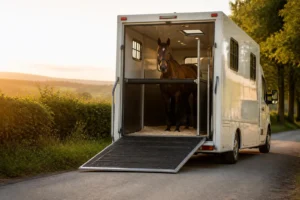
Sending a horse by air can seem daunting, yet it is often the surest way to protect its safety and wellbeing. Here we explain how equine air transport helps you overcome the logistical and administrative hurdles, guide you through the regulations and introduce the specialist carriers that make for a calm, untroubled journey. Ready for a smooth flight?
Understanding equine air transport
Flying offers a fast and secure way to move horses over long distances. Specialist services look after the animals’ welfare throughout, while meeting every international standard. These are the main reasons owners choose to fly:
For road transport within France or across Europe, request a quote for transporting your horse by road using our dedicated calculator.
- Speed: Journey times are cut dramatically.
- Safety: Experienced professionals maintain the best possible conditions.
- Comfort: Climate-controlled holds and ample room for every horse.
A clear grasp of these points will help you make well-informed decisions.
Why fly your horses?
- Air travel shortens the time your horse spends on the move.
- Strict protocols provide a higher level of safety.
- Horses travel in a carefully controlled climate.
Choosing air transport brings clear advantages in both speed and safety, and in-flight conditions are designed with the animals’ comfort in mind. It is, quite simply, the natural choice when horses need to travel internationally.
The key stages of flying a horse
Every equine flight follows a series of carefully managed stages, each designed to keep the horses safe and settled:
- Preparation: selecting a suitable flight and coordinating with a specialist shipper.
- Loading: settling the horses into secure jet stalls.
- In-flight care: constant monitoring of each horse’s health and condition.
Equine logistics demand meticulous planning, and it is vital to choose experienced professionals if you are to avoid complications.
Regulations and paperwork
Flying horses calls for a thorough understanding of international regulations and the administrative formalities that accompany them. These rules exist to safeguard the animals’ safety and welfare throughout the journey.
- A valid health certificate
- Import and export permits
- Compulsory quarantine, depending on the country
- Dedicated transport insurance
Knowing these requirements in advance will spare you delays and complications. Prepare early, and the journey will be far smoother and less stressful.
International rules to observe
Air transport of horses is governed by strict international rules designed to keep them safe. These include:
- IATA regulations on animal safety and welfare.
- Health certification issued by an approved veterinary surgeon.
- Compliance with the destination country’s quarantine standards.
- Adherence to customs and import requirements.
Documents required for flying horses
When arranging air transport for horses, meeting the documentary requirements is essential. These papers protect the animals and ensure compliance with international regulations.
- A health certificate issued by an approved vet
- An import or export permit, depending on the country
- An equine passport containing the horse’s details
Careful preparation makes the whole process easier. Owners should check that every document is valid before departure, which avoids unwelcome complications along the way.
Choosing a specialist airline
Selecting a specialist airline to fly your horses deserves careful thought. Three criteria matter above all:
- Experience in transporting horses, backed by client references.
- Availability of purpose-built stalls for the animals’ comfort.
- A sound knowledge of international regulations to prevent complications.
How to choose an airline
When choosing an airline that specialises in flying horses, look first at its experience and reputation. Make sure it meets safety standards and holds the appropriate certifications. Read testimonials from other owners to gauge the quality of service. Flexible scheduling and overall cost are equally important considerations.
Well-regarded airlines
Carriers such as Emirates SkyCargo and Lufthansa Cargo specialise in equine air transport, offering tailored services and modern facilities. Etihad Cargo provides bespoke solutions focused on the animals’ comfort. All of them work to international standards and employ trained staff dedicated to the horses’ safety. Choosing an established carrier is the best guarantee of an efficient, secure journey.
Costs and planning
The cost of flying a horse depends on many factors, including the distance travelled and the weight of the horses. Working with a specialist company often secures a competitive rate, and it pays to compare quotes to make the most of your budget. Additional costs include quarantine and insurance. Plan ahead to avoid surprises, and keep your budget flexible enough to absorb any unexpected surcharges.
What affects the cost
Several key factors determine the price of flying a horse. The distance and duration of the flight have a direct bearing on fares. Extra services, such as a travelling vet or specialist grooms, can also push costs up. Your choice of airline and the time of year play a decisive role too. Prices further depend on the size and number of horses being flown, and carriers frequently offer reductions when several horses travel together, which can lower the overall bill.
Tips for keeping costs down
To make the most of your budget, compare offers from several specialist shippers. Book well in advance to benefit from lower rates, and do not hesitate to negotiate estimated costs with carriers. Above all, make sure you understand every additional charge so that nothing comes as a surprise.
Caring for horses in transit
Keep your horses comfortable by using spacious, well-ventilated stalls. Check regularly that they are drinking and eating. Constant supervision by an experienced professional helps them stay calm, and suitable rugs will keep them at an ideal temperature throughout the flight.
Preparing for the flight
Flying a horse requires thorough preparation. Here are the essential steps:
- A veterinary check to confirm the horse’s health and obtain the required certificates.
- Loading practice to accustom the horse to an aircraft-like environment.
- The right equipment, such as leg protection and a lightweight rug.
- Logistical planning, including close coordination with the specialist airline.
Safeguarding wellbeing in the air
Horses need particular care in flight to stay comfortable and relaxed. Monitoring hydration and cabin temperature is crucial, and a travelling vet ensures they are closely watched throughout. To maintain safety during the flight, suitable, secure stalls are indispensable.